
Exhibitions
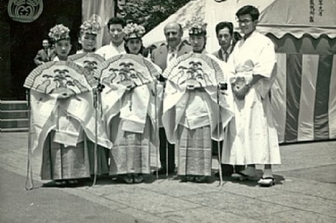
Life and work of Felix Tikotin (1893-1986)
The early years (1893-1918)
"I was born on Columbus Day, October 12, 1893, an excellent wine year, in the fortress and garrison town of Glogau on the Oder River in Silesia (now Poland) [...]
Saturday, 02.10.10
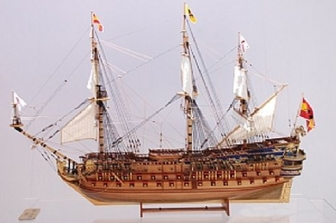
Ship Models The Modeller's Craf
Building model ships is a skill that began in times long past and continues to thrive among those who love ships and the sea.
Sunday, 12.12.10
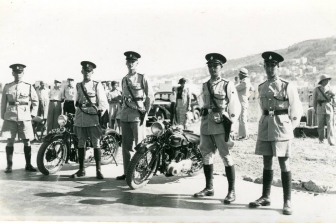
On His Majesty's Service:
The Story of Haifa during the British Mandate Period 1918-1947
The exhibition focuses on a short but very influential period in the city's history, viewed by many as Haifa's ‘golden age'.
Saturday, 30.07.11

"Wonder-fall"
Video Art by Tanaka Katsuki
Two videos by the Japanese artist Tanaka Katsuki are presented in sequence.
Saturday, 25.06.11
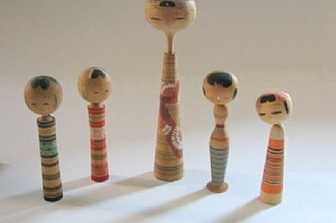
Kokeshi
Japanese Wooden Dolls from the Collection of Jacob Fass
Kokeshi are Japanese wooden dolls, made by hand by specialist craftsmen working in wood, or by creative artists.
Saturday, 25.06.11
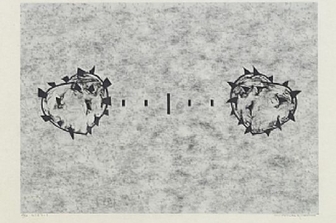
"50"
Contemporary Japanese Prints
This exhibition, celebrating the Jubilee year of the Tikotin Museum of Japanese Art, is the outcome of the initiative of the Yoseido Gallery in Tokyo and the Tikotin Museum.
Saturday, 25.06.11
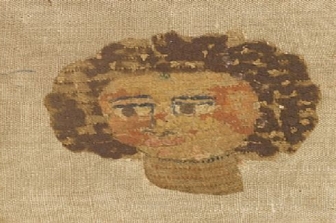
Coptic Textiles from Egypt
In Ancient Times
"Coptic Textiles" is the term generally used for a class of decorated textiles from the 4th - 13th centuries CE, discovered in Egypt in a good state of preservation due to the hot, dry climate of that country.
Sunday, 15.05.11
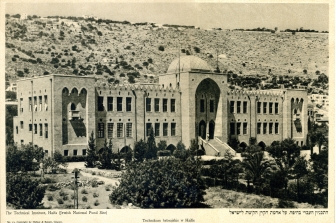
War of the Languages: Founding of the Technion/Technikum
The establishment of the Technikum (now the Technion) at the beginning of the 20th century is considered as one of the most important events in the history of Haifa city.
Saturday, 30.07.11
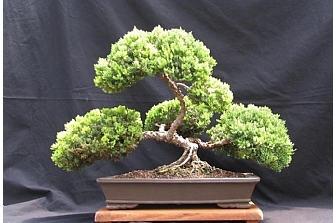
The Art of Bonsai
he Japanese word "bonsai" (盆栽) is written with two Chinese characters: 'bon' meaning tray, and ‘sai' meaning planting - i.e. ‘planting in a tray'.
Saturday, 30.04.11
Sunday, 07.08.11
Please contact us and we will contact you as soon as possible